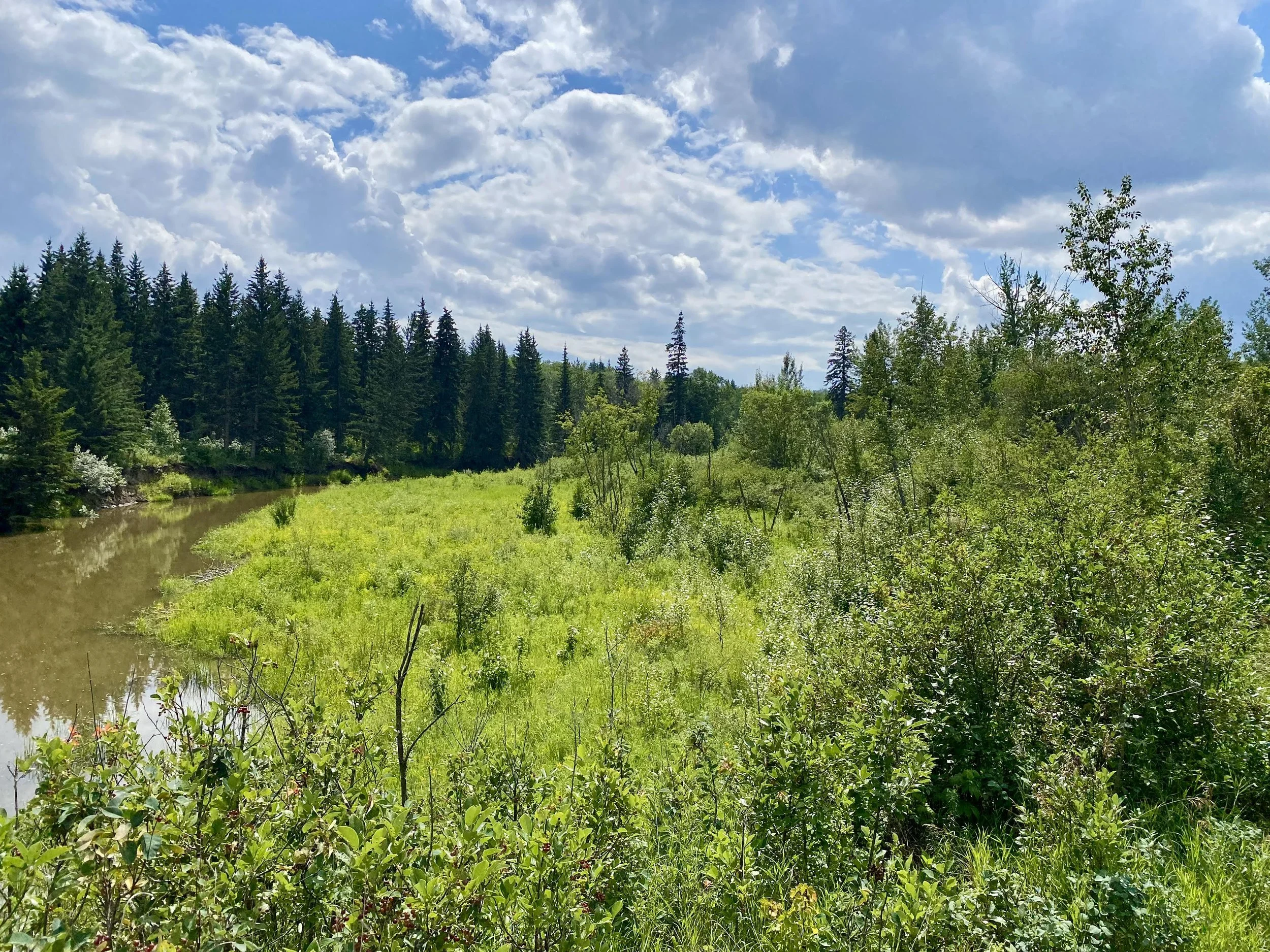
WANDER
Come wander, notice, play and connect!
Forest therapy helps us remember that we belong, that we are part of nature. Guided nature immersion connects us to the magic of the untamed world, both inside and outside of us. Intentionally deepening our relationship to the natural world offers proven benefits to our physical, mental and spiritual wellness.
Based in Amiskwacîwâskahikan (Edmonton, Alberta), Wander Forest Therapy offers accessible and welcoming forest therapy sessions for groups and individuals.
Forest therapy is an evidence-based practice that uses gentle sensory invitations to deepen present-moment awareness, embodiment, and connection to the natural world.
Whether it is awe, solace, rest, or inspiration the forest knows what we need, and a guided experience can help us access these gifts!
You can expect…
Simple delights
Space to notice the unexpected
Connection to self and community
Emergent whimsy
Quiet moments of reflection
Walks are typically 2 to 3 hours long, offer opportunities for optional sharing, and conclude with tea and snacks.
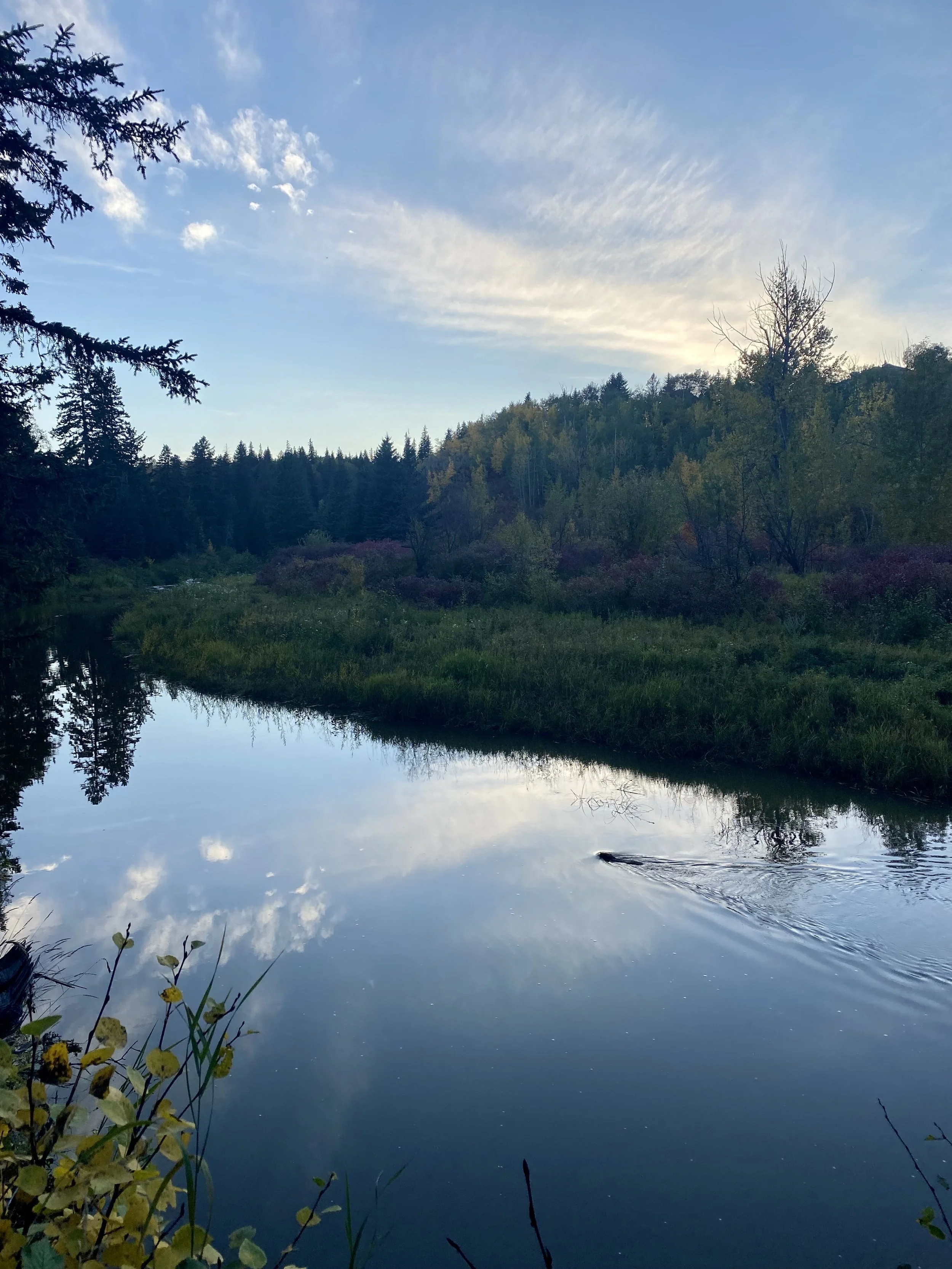
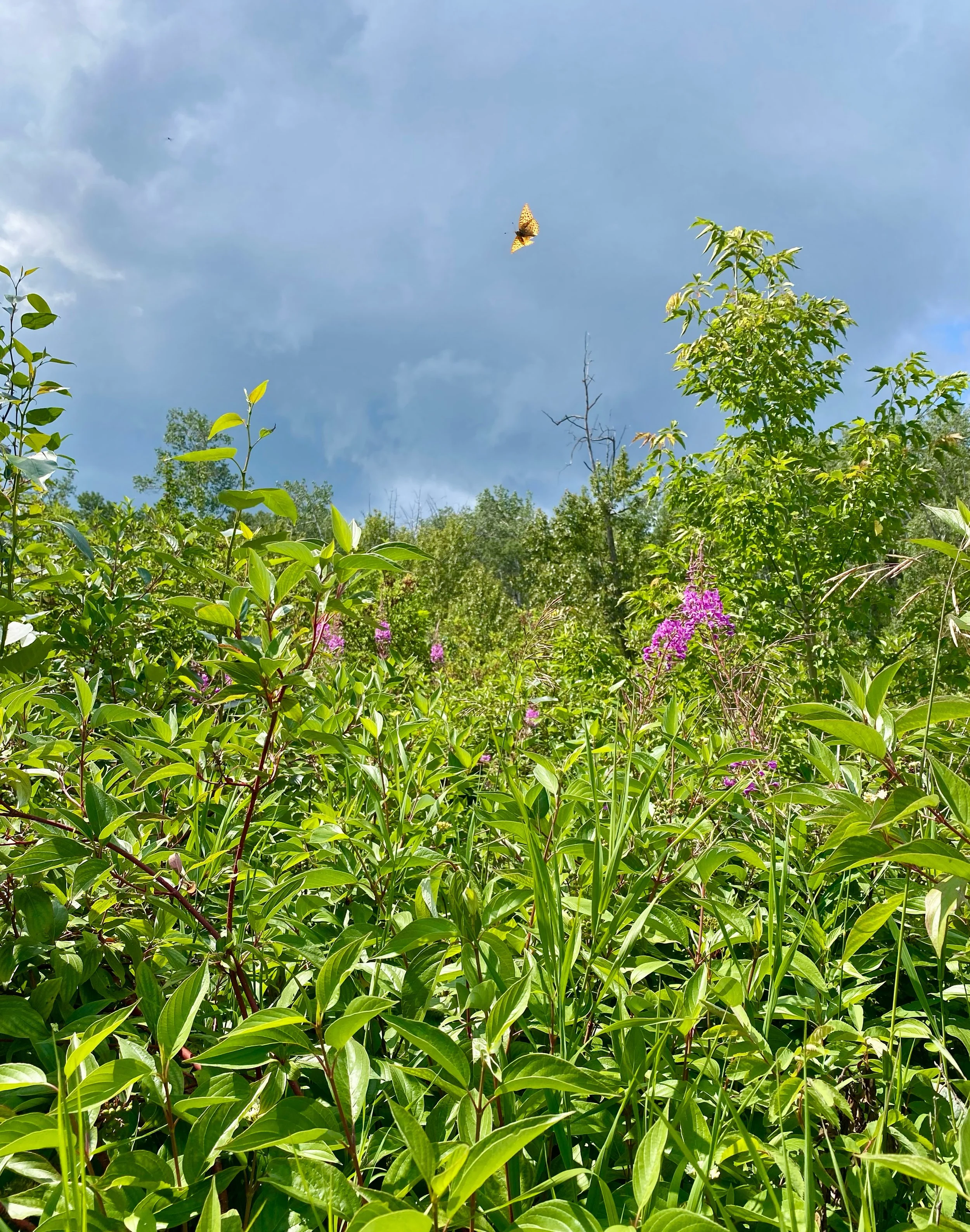
Forest therapy is also known by the Japanese term shinrin yoku, meaning “forest bathing.”
Research indicates many proven benefits including…
Reduced stress
Nervous system regulation
Lower blood pressure
Strengthened immune function
Enhanced creativity
Mental clarity
Spiritual well-being
In this practice the forest is the therapist, while the guide serves to open the doorway to the therapeutic experience. If you are curious to know more about forest therapy and its benefits please check out…
Association of Nature and Forest Therapy
Nature and Forest Therapy of Canada
Wander Forest Therapy is based in ᐊᒥᐢᑿᒌᐚᐢᑲᐦᐃᑲᐣ (Amiskwacîwâskahikan) on Treaty 6 lands, the traditional meeting places and travelling routes of diverse Indigenous peoples including the Nêhiyawak (Cree), Nahkawininiwak (Saulteaux), Niitsitapi (Blackfoot), Métis, Dene, and Nakota (Sioux). These Indigenous groups have been in relationship with this land from time immemorial until today. I acknowledge that systemic racism and colonization continue to cause harm to Indigenous peoples. As a white settler I acknowledge my responsibility to actively challenge white supremacy and learn the stories of this land, as steps towards decolonization and right relationship.